

Dental Crown Gallery
$$MultiPurposeText$$
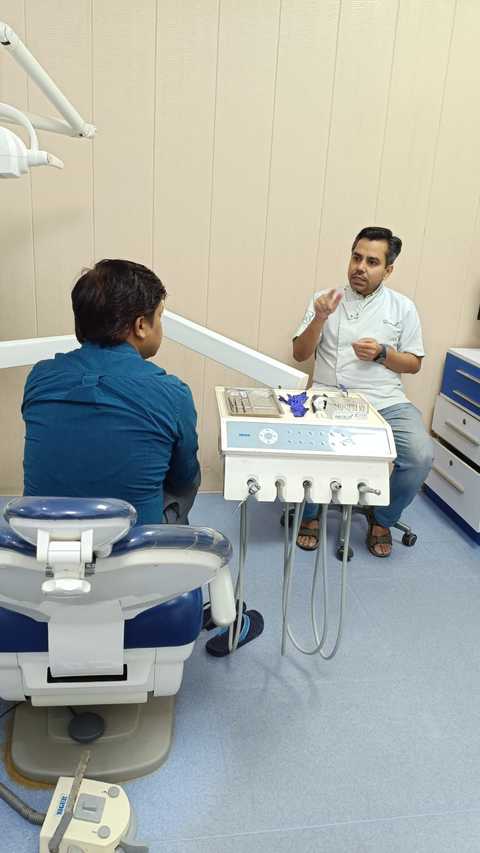
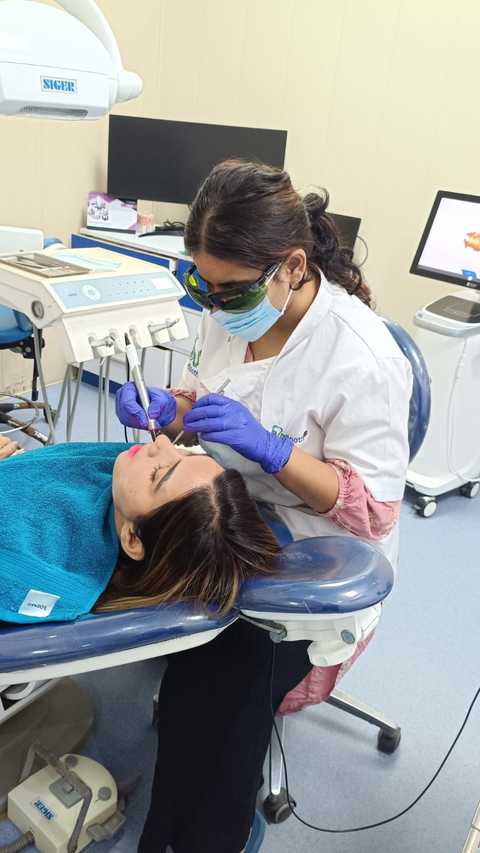
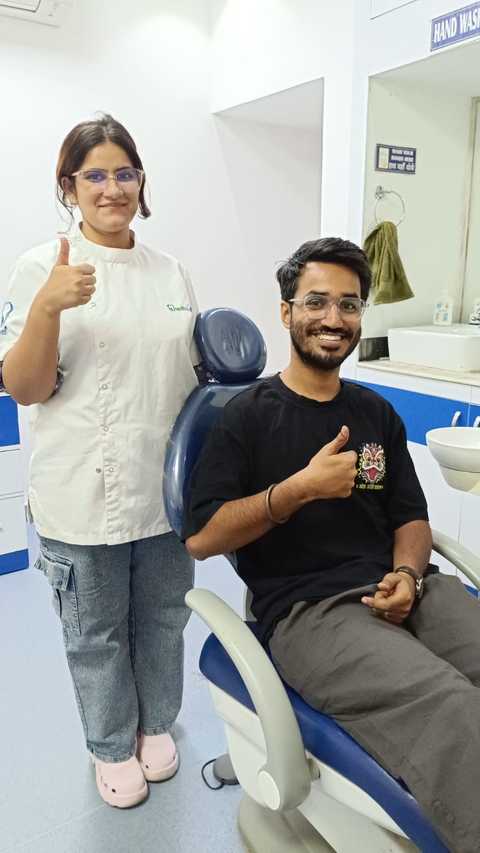
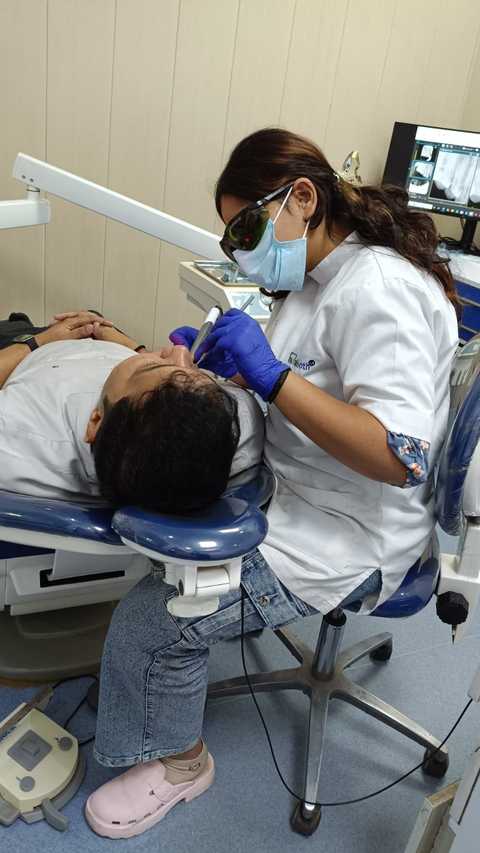
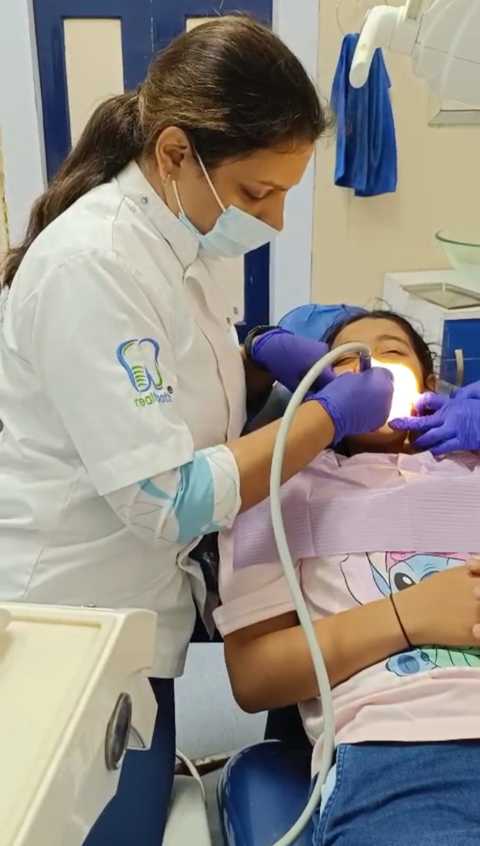
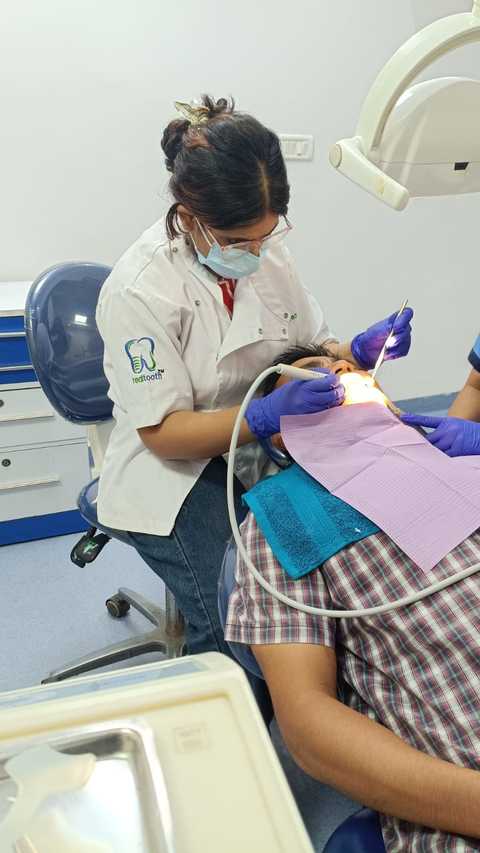
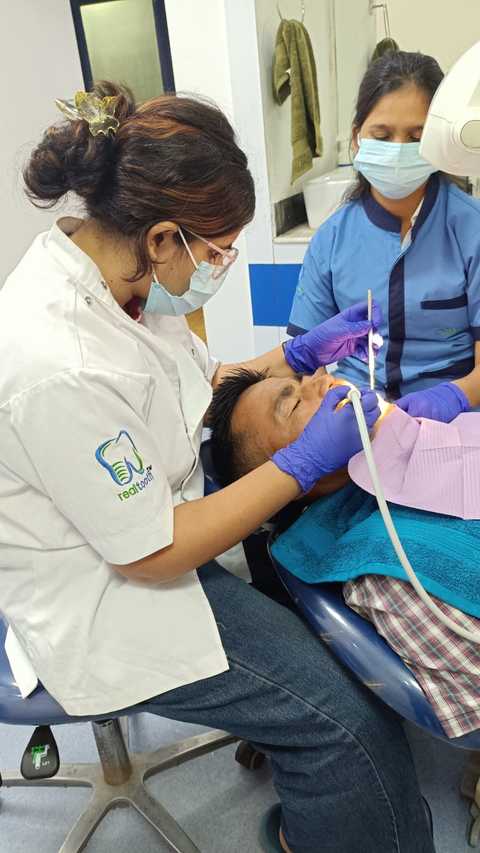
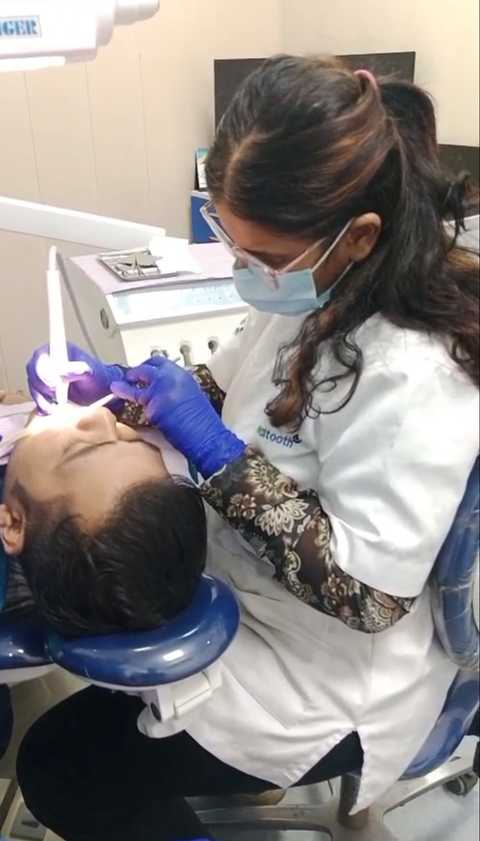
See examples of our Dental Crown work and results.

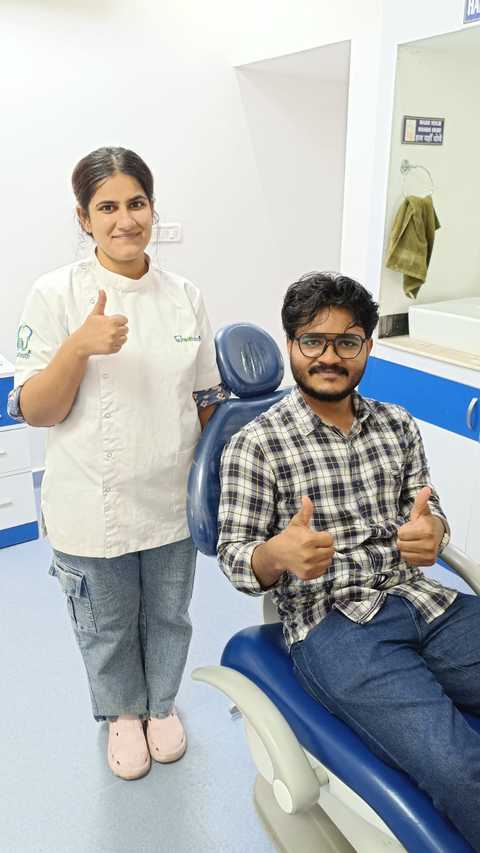
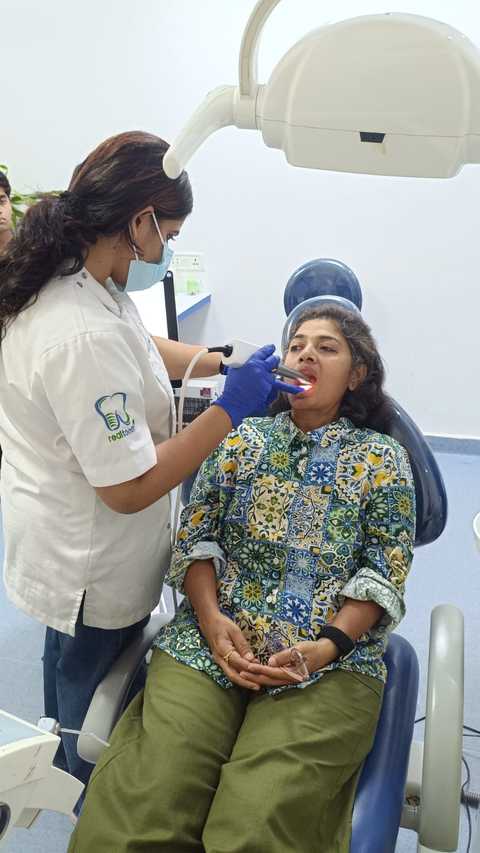
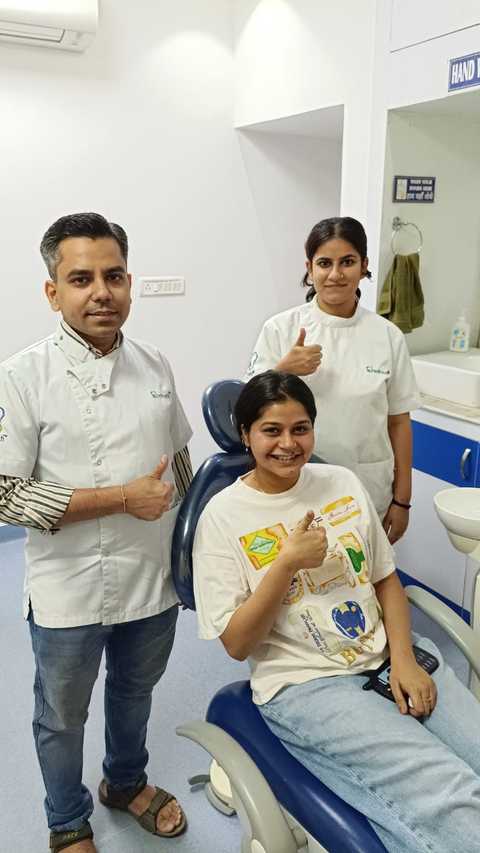
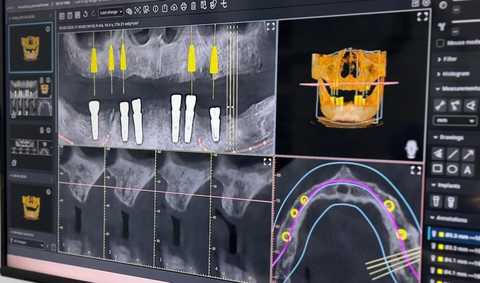
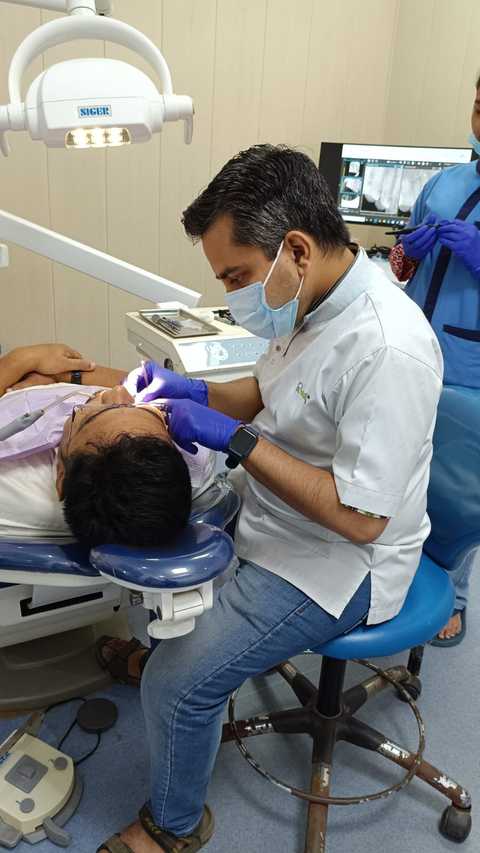

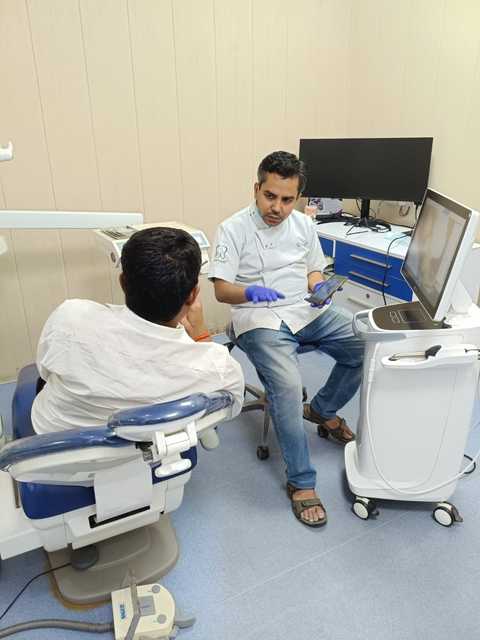
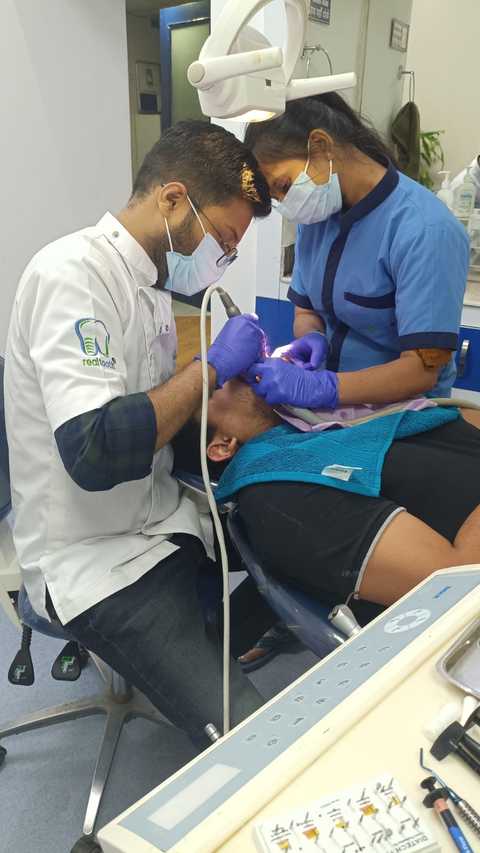






What Our Clients Say
$$MultiPurposeText$$
Read testimonials from our satisfied customers

One of my teeth had become weak after an old filling, and I was worried it might break com...more

One of my front teeth had always looked uneven and discolored, which made me conscious whe...more

Improving my smile had been on my wish list for years, but I wanted results that looked na...more

...more
Frequently Asked Questions
Get answers to common questions about Dental Crown.
Most crown treatments require two visits: first to prepare the tooth and take impressions, second to fit the permanent crown. Lab fabrication may take one to two weeks; total timeframe is typically two to three weeks depending on materials and scheduling.
For front teeth, all-ceramic options like porcelain or E.max and zirconia offer the most natural translucency and color match. These materials provide excellent aesthetics while maintaining strength, making them ideal for visible restorations and smile-focused cosmetic results.
Local anesthesia ensures little to no pain during crown preparation. Some sensitivity or mild soreness can occur for a few days post-procedure; over-the-counter pain relievers and avoiding hard foods usually resolve discomfort quickly.
With good oral hygiene and regular dental check-ups, crowns commonly last 10 to 15 years or longer. Material, bite forces, and habits like grinding affect lifespan; we offer advice and maintenance to maximize durability.
Yes. Teeth often require crowns after root canal therapy to protect the treated tooth from fracture. Crowns restore strength and function, seal the tooth, and improve appearance; timing depends on healing and any temporary restoration in place.
A crown covers and protects a single damaged tooth, while a bridge replaces one or more missing teeth by anchoring a false tooth between crowns on adjacent teeth. Bridges restore function and appearance without removing a removable appliance.