

Oral Cancer Gallery
$$MultiPurposeText$$
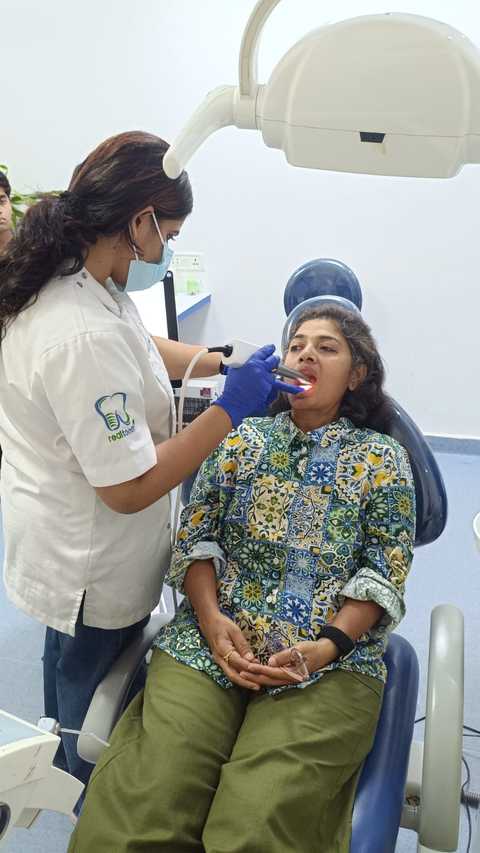
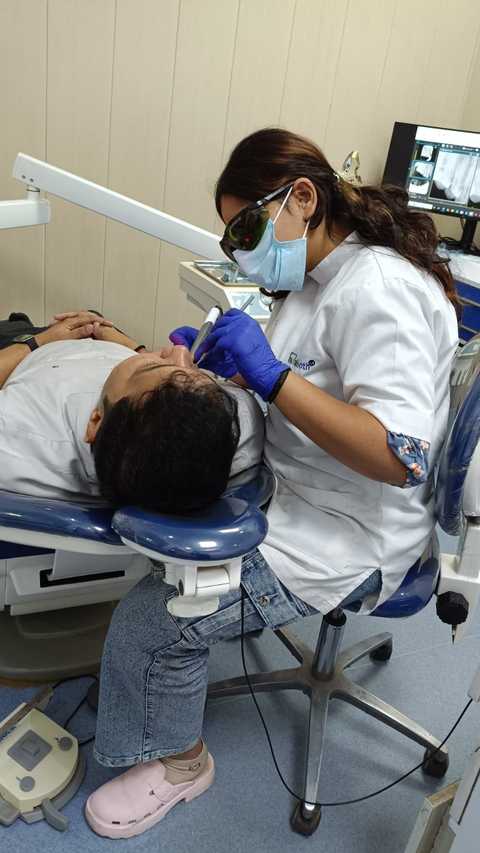
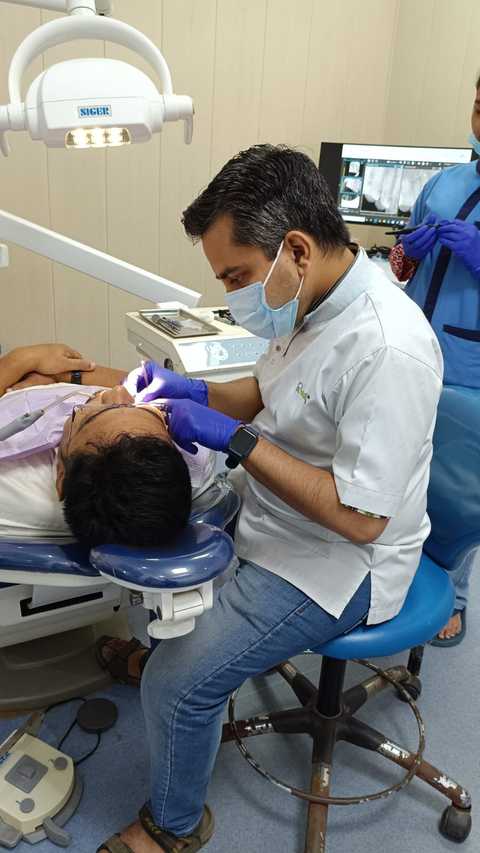
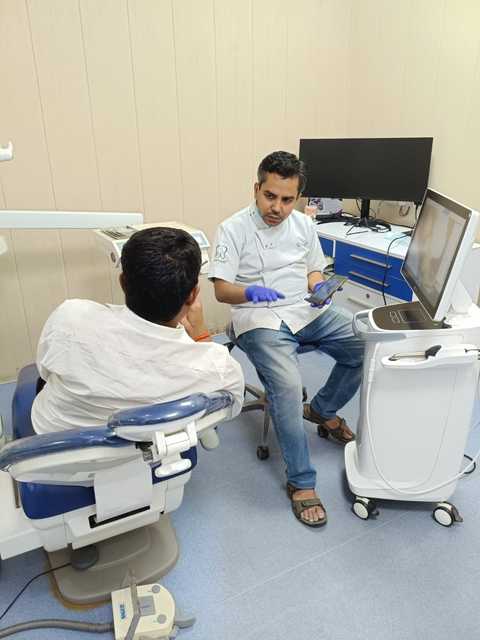
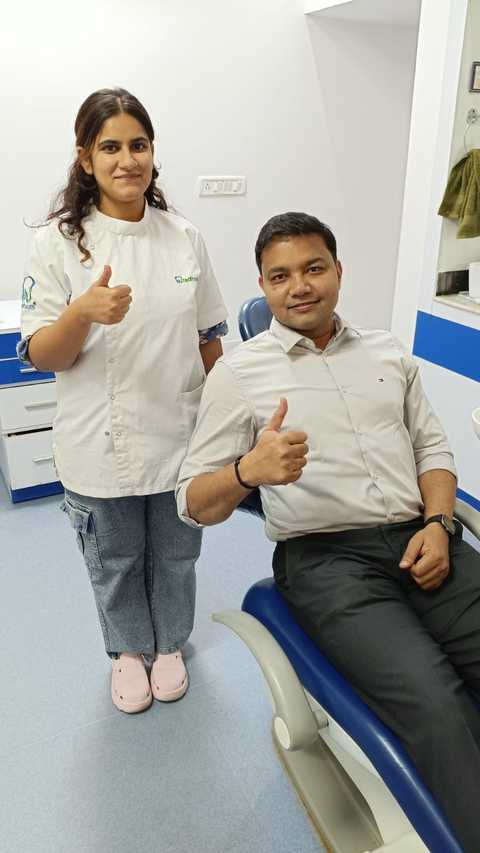
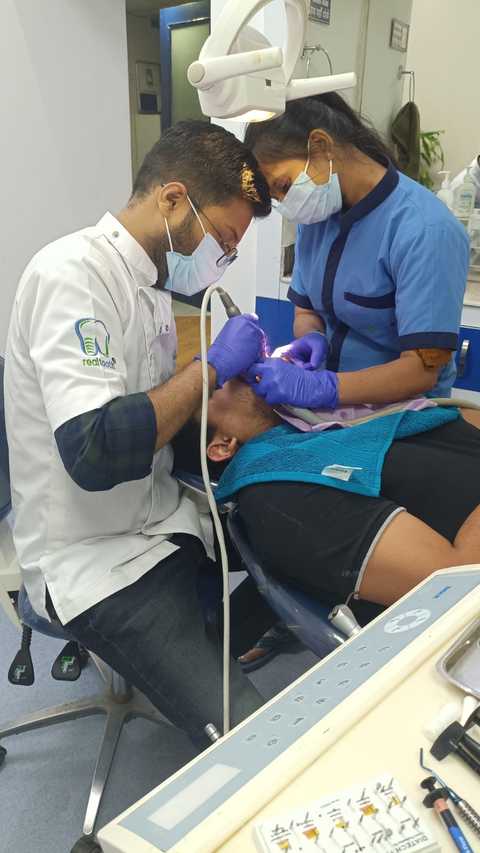
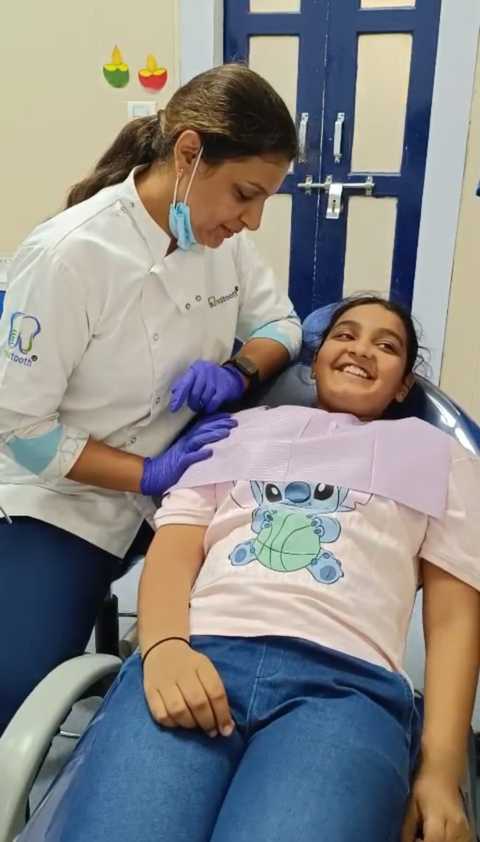
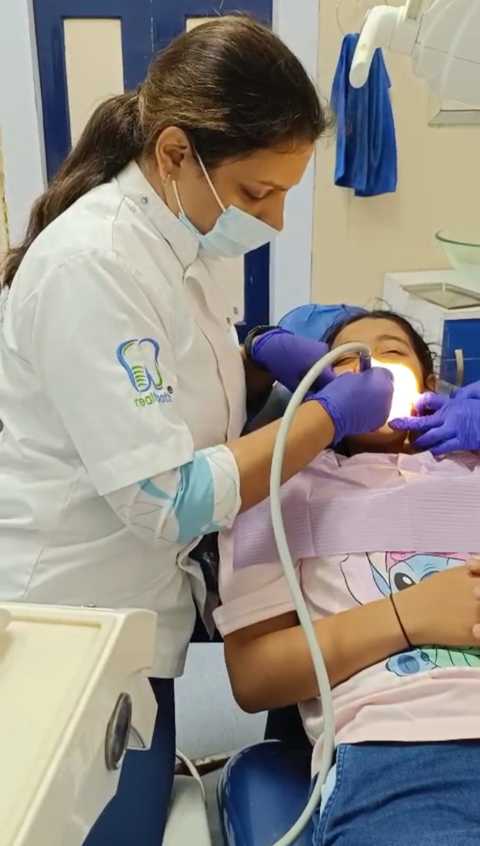
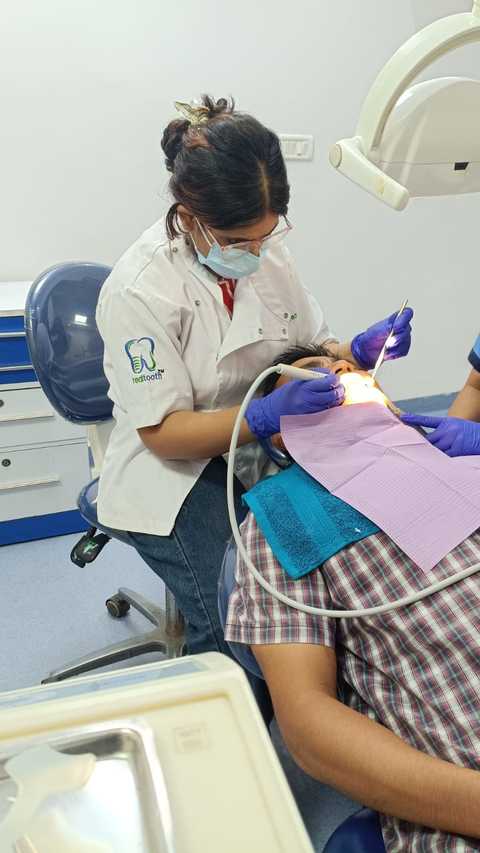
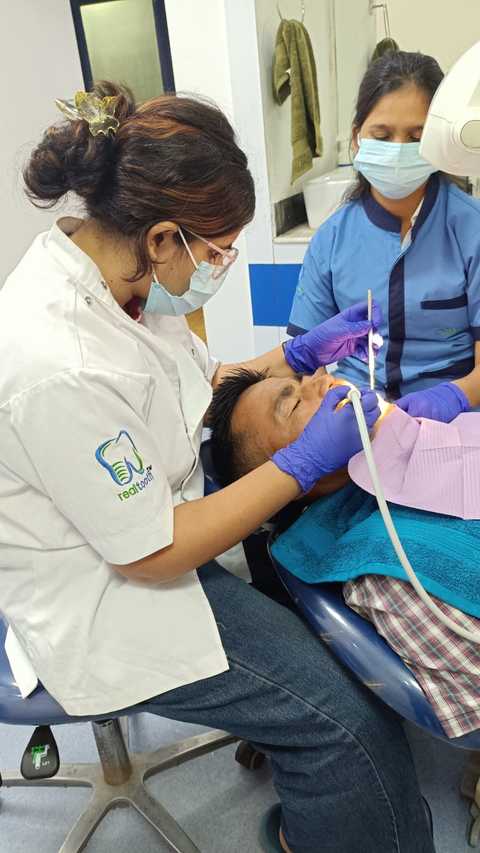
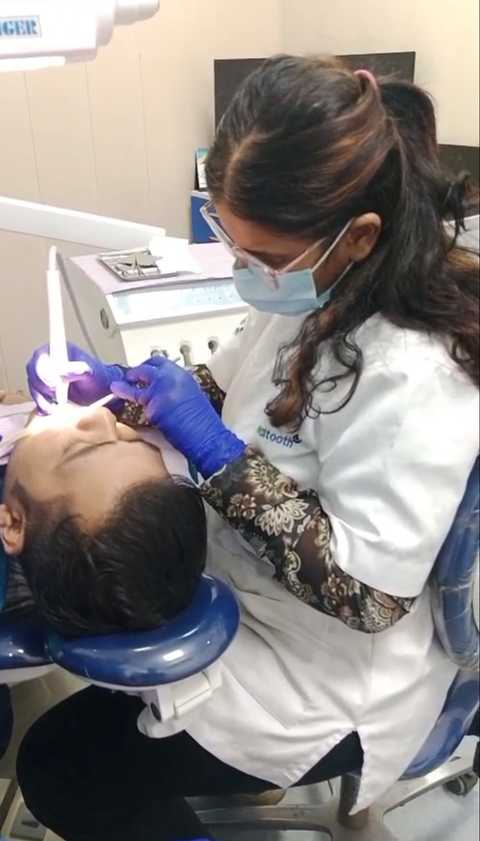
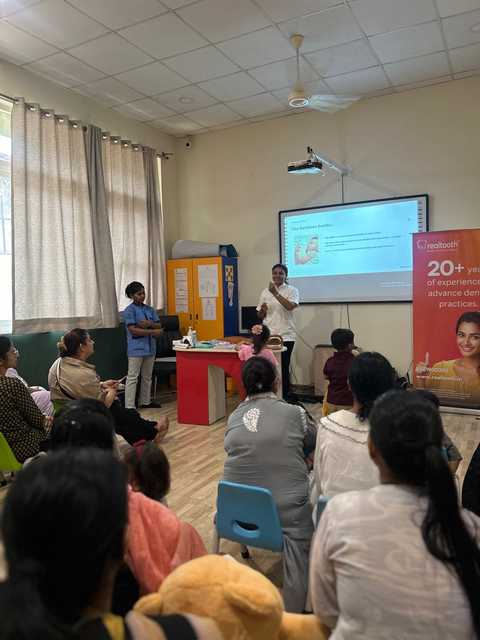
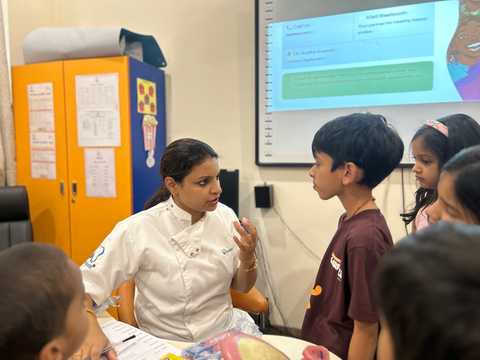
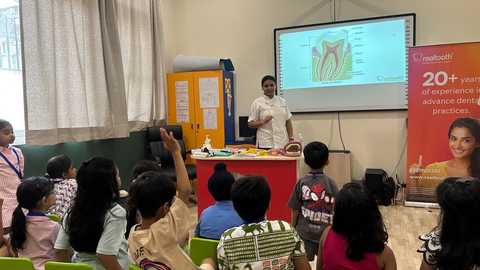
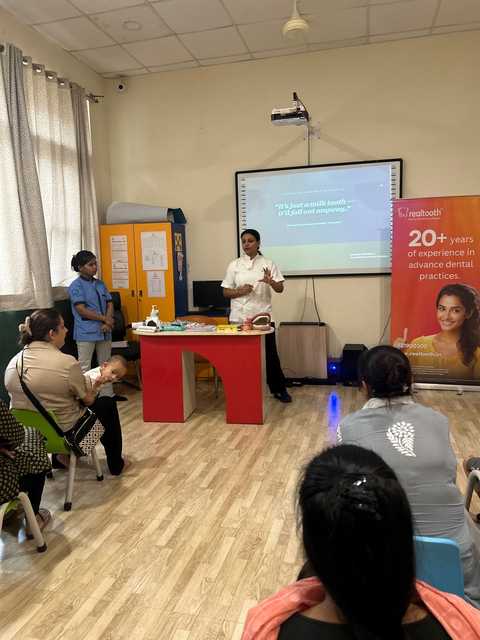
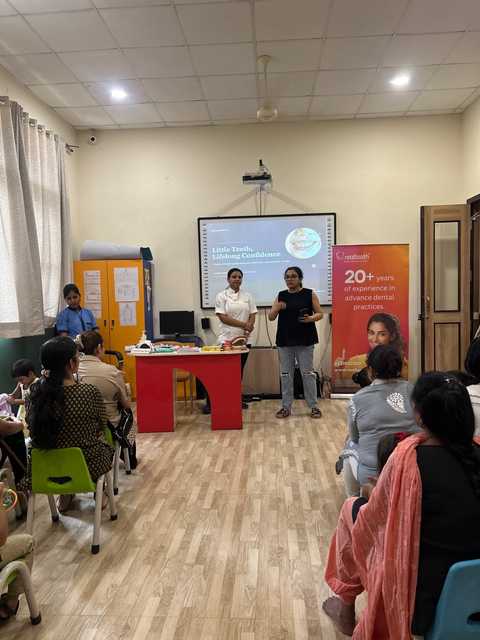
See examples of our Oral Cancer work and results.


What Our Clients Say
$$MultiPurposeText$$
Read testimonials from our satisfied customers

I had always been afraid of root canal treatment because of the stories I had heard, but m...more

never imagined that several damaged teeth could be treated so comfortably in a planned man...more

Ignoring dental problems for several years resulted in multiple teeth becoming infected, a...more

Watching my parents avoid certain foods because of missing teeth was difficult, so we deci...more

Both of my parents had been struggling with multiple missing teeth for years, making it di...more

A missing tooth had gradually started affecting both my chewing comfort and self-confidenc...more

Frequently Asked Questions
Get answers to common questions about Oral Cancer.
Early signs include non-healing sores, persistent lumps, red or white patches, unexplained pain, numbness, or difficulty swallowing. Any persistent oral change beyond two weeks should prompt urgent evaluation by our specialists for diagnosis and early intervention.
Diagnosis combines thorough oral examination, targeted imaging and biopsy when needed. Our radiology and pathology teams collaborate to confirm diagnosis, stage the disease, and create a personalized treatment and follow-up plan.
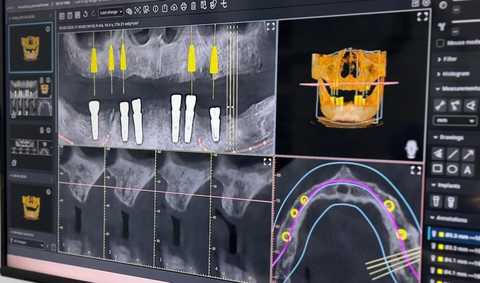
We employ panoramic radiographs, CBCT, MRI and CT scans, sometimes PET-CT, to assess tumor size, bone involvement and soft tissue spread. Imaging guides staging, biopsy location and surgical or radiotherapy planning.
Yes. Oral medicine addresses treatment side effects such as mucositis, xerostomia, oral infections, taste changes and pain. We offer preventive care, topical and systemic therapies, oral hygiene strategies, and close monitoring throughout cancer treatment.
Absolutely — a pre-treatment dental assessment helps prevent complications. We evaluate teeth and bone, perform necessary extractions or restorations, and plan preventive measures to reduce infection and osteoradionecrosis risk during cancer therapy.
Realtooth provides tailored rehabilitation including prosthetics, cautious implant planning, saliva management, nutritional advice and psychological support. We ensure long-term monitoring and maintenance to restore function, speech and oral comfort after cancer treatment.