

Oral Cancer Screeening Gallery
$$MultiPurposeText$$
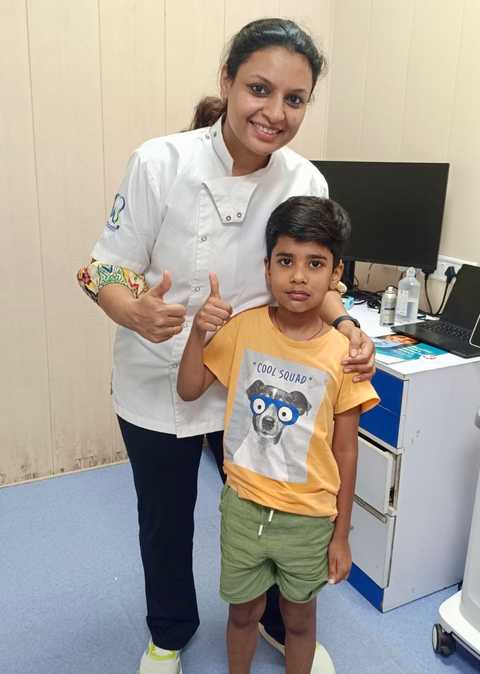
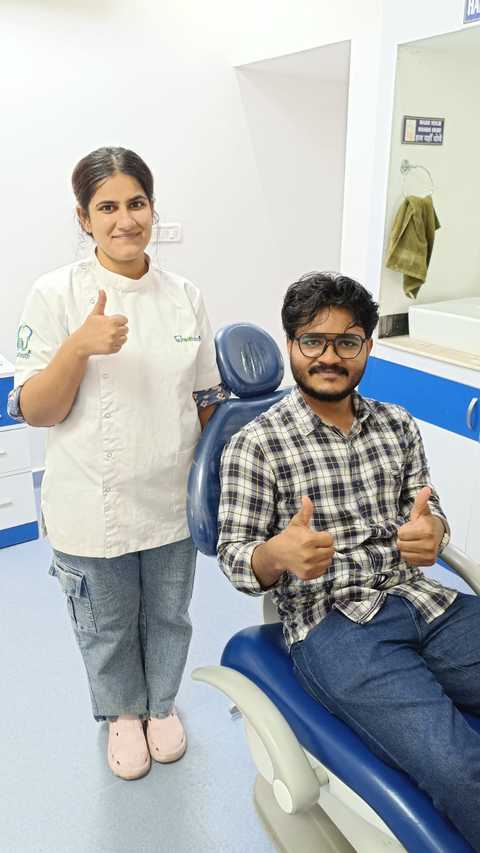
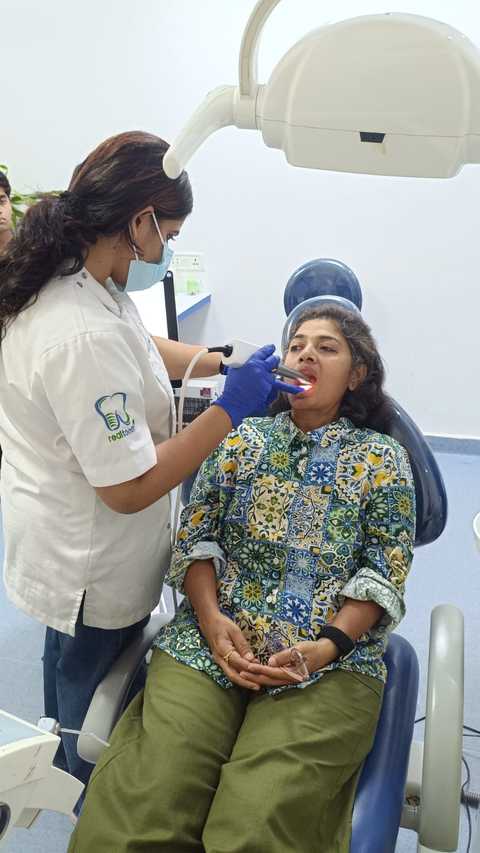
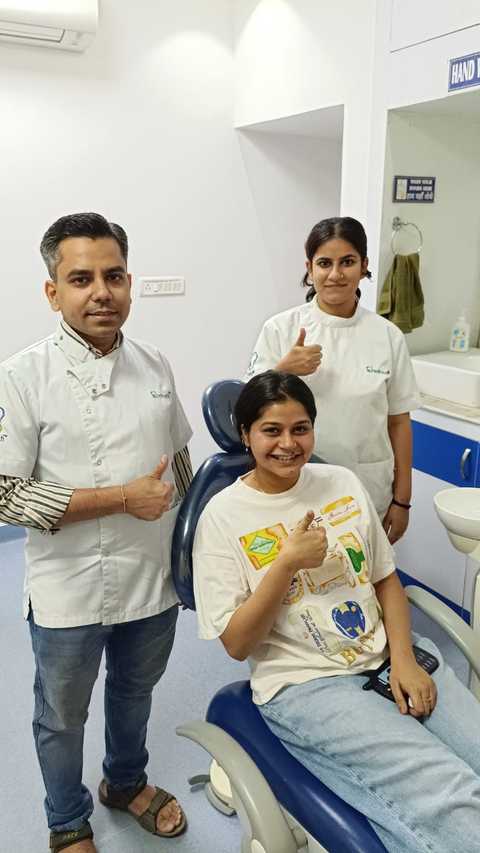
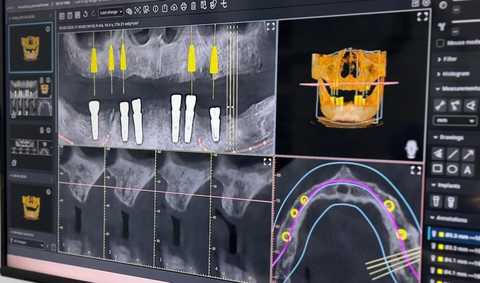
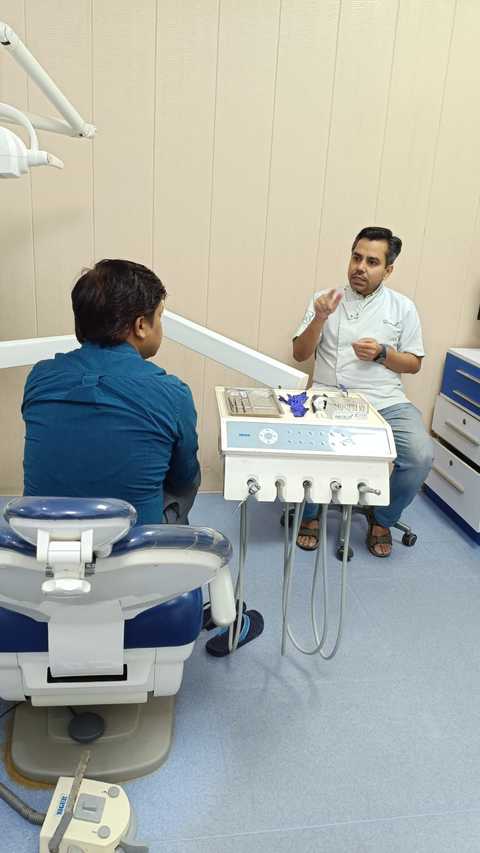
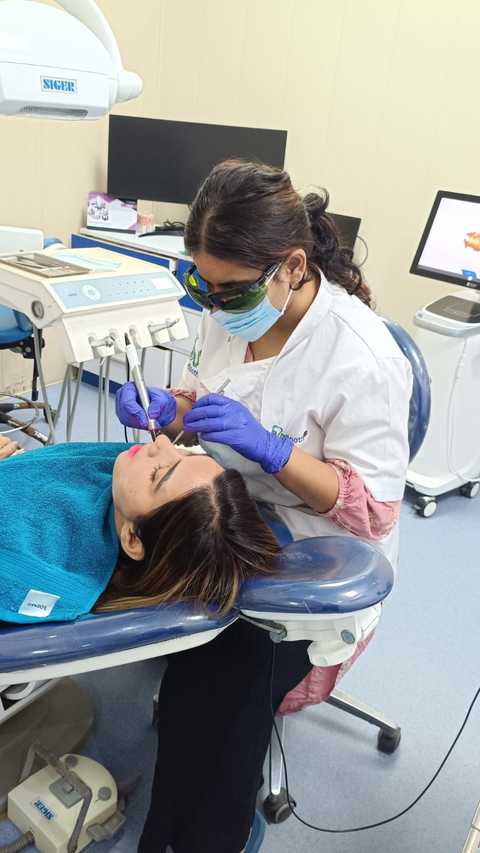
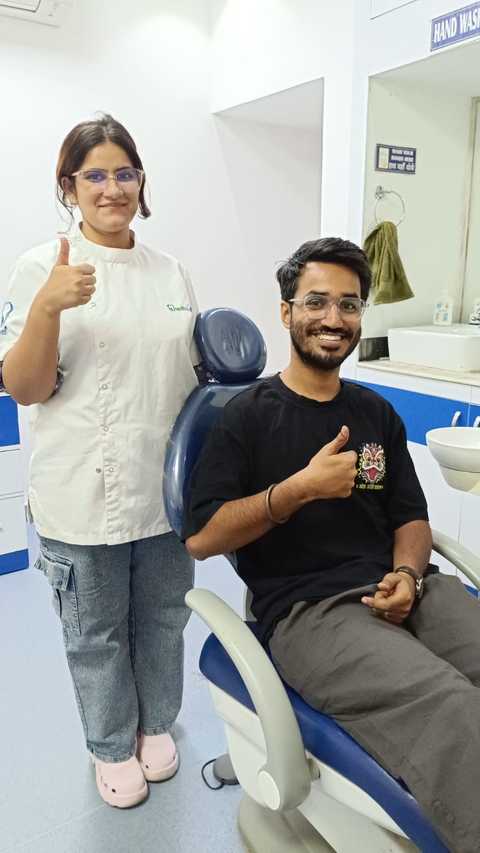
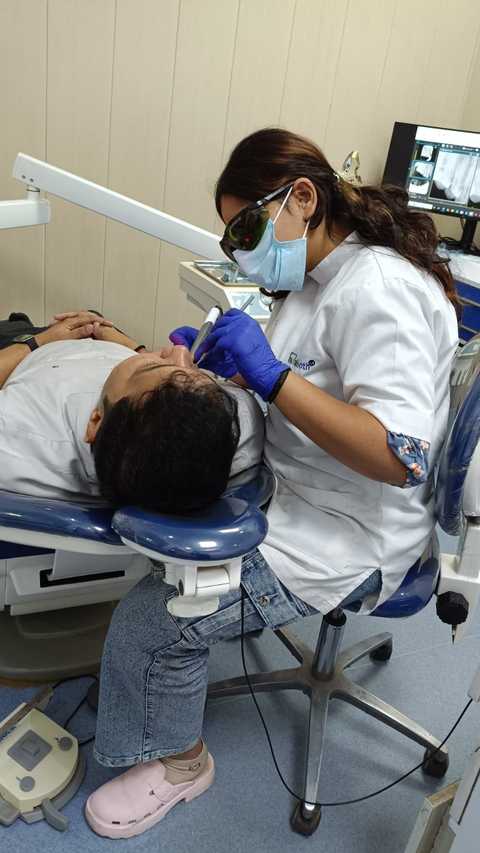
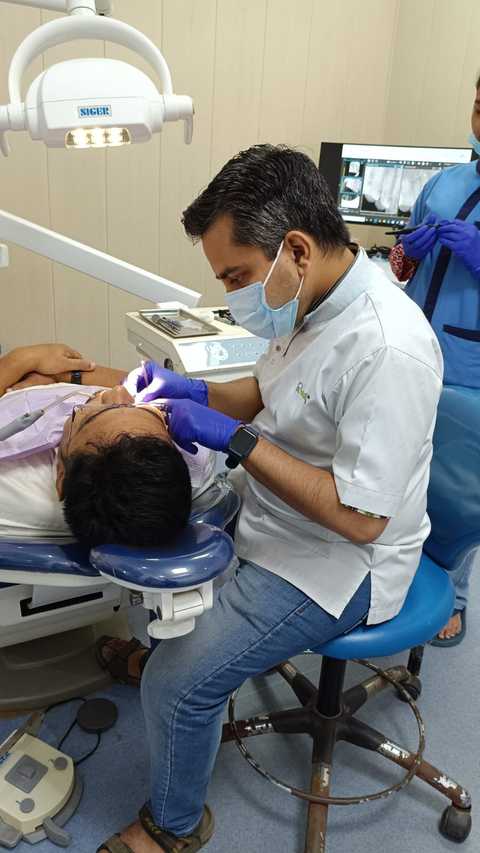
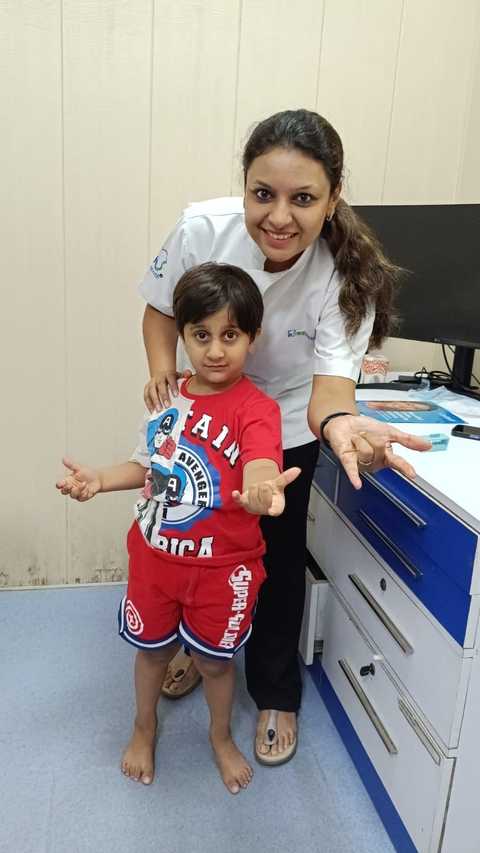
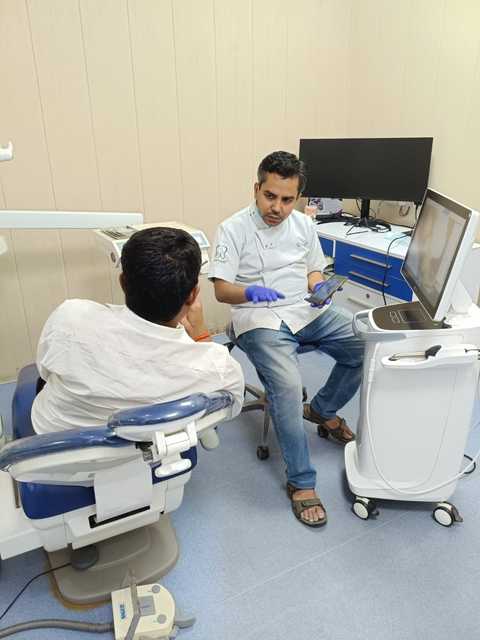
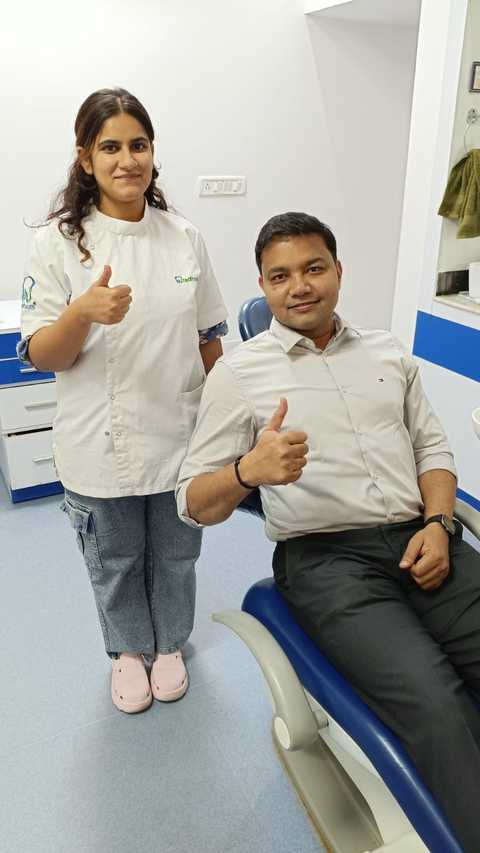
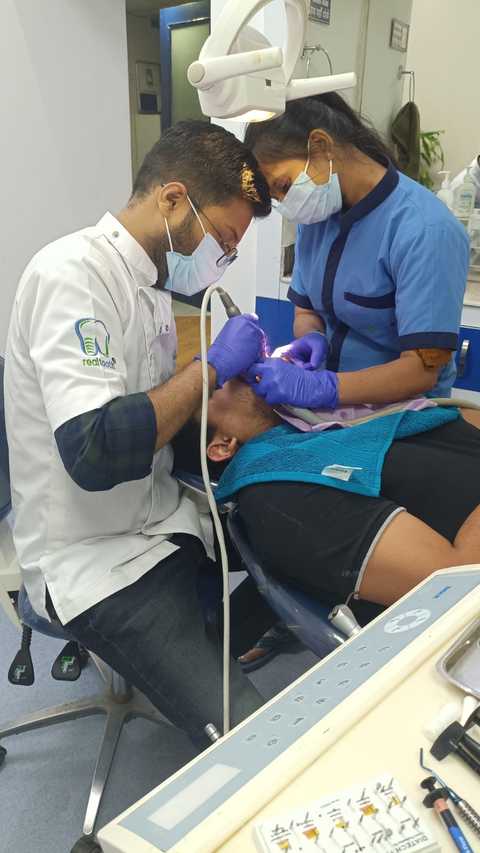
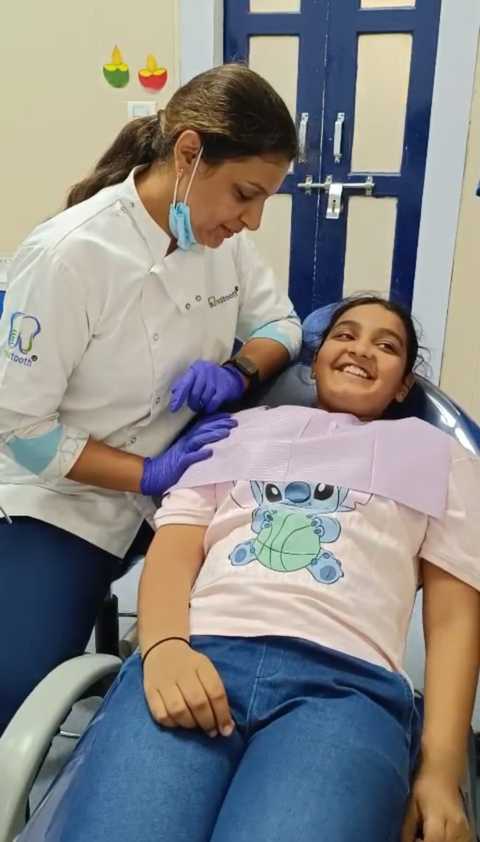
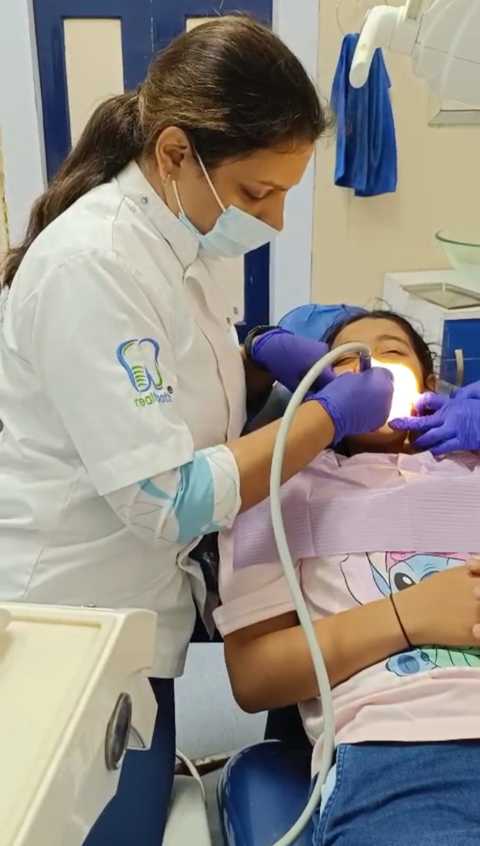
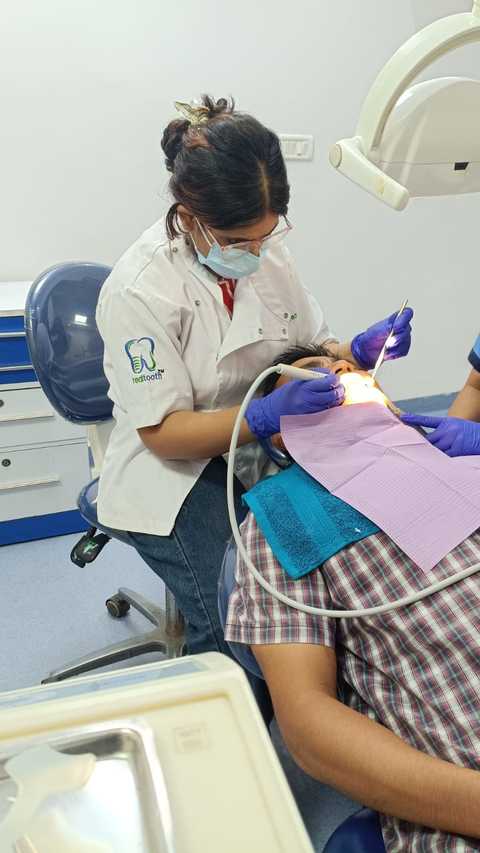
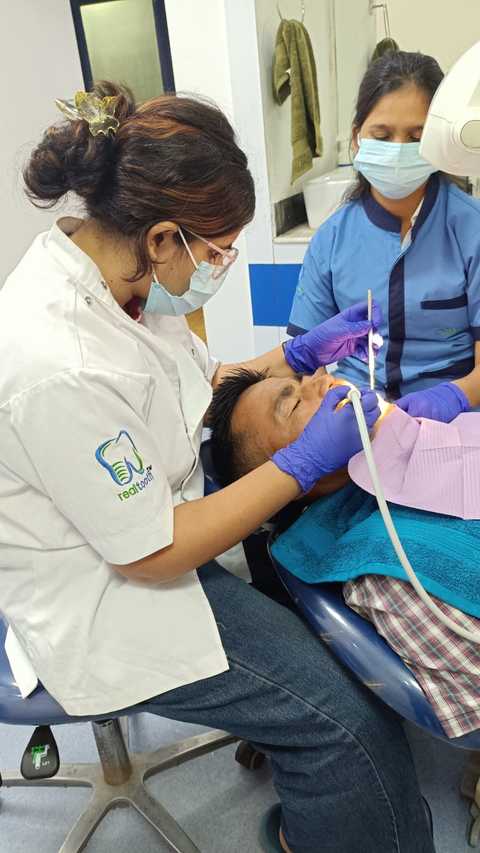
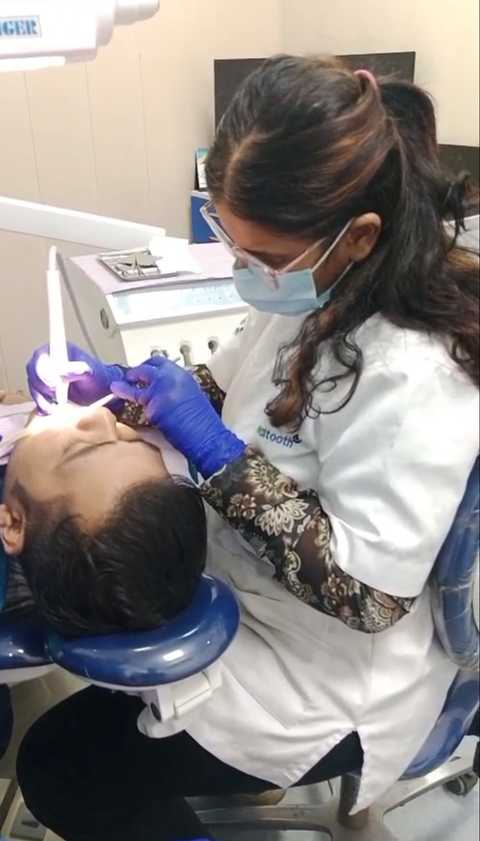
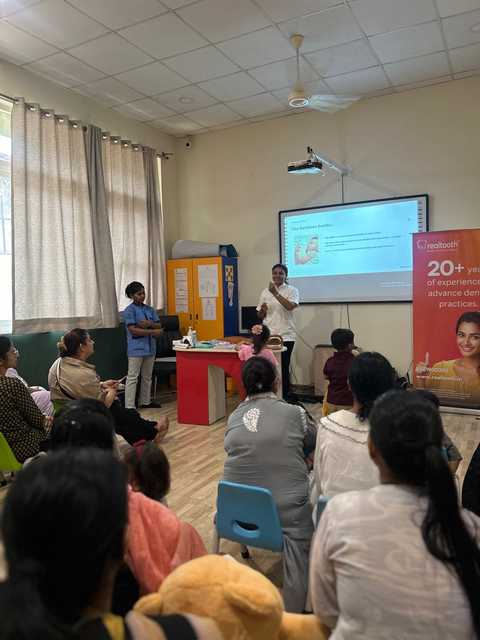
See examples of our Oral Cancer Screeening work and results.






What Our Clients Say
$$MultiPurposeText$$
Read testimonials from our satisfied customers

I had always been afraid of root canal treatment because of the stories I had heard, but m...more

never imagined that several damaged teeth could be treated so comfortably in a planned man...more

Ignoring dental problems for several years resulted in multiple teeth becoming infected, a...more

Watching my parents avoid certain foods because of missing teeth was difficult, so we deci...more

Both of my parents had been struggling with multiple missing teeth for years, making it di...more

A missing tooth had gradually started affecting both my chewing comfort and self-confidenc...more

Frequently Asked Questions
Get answers to common questions about Oral Cancer Screeening.
During the appointment, our dentist examines the mouth, throat, and neck for lesions, uses adjunctive tools if needed, assesses risk factors, documents findings, and recommends biopsy or oncology referral when suspicious. Screening is quick, noninvasive, and tailored to each patient.
Adults with tobacco or alcohol use, HPV exposure, persistent oral sores, or suspicious symptoms should screen regularly. Frequency depends on risk: typically annually for low risk and every three to six months for higher-risk patients, as advised by our specialists.
No — screening is typically painless and noninvasive. It involves visual and tactile examination, sometimes supplemented with light-based devices or staining agents. If a suspicious lesion is found, a biopsy may be recommended, which is minimally invasive and performed with local anesthesia.
We arrange timely diagnostic biopsy or imaging, coordinate care with oncologists, and develop a treatment-focused oral care plan. Our team supports nutrition, oral hygiene, and mucosal management during cancer therapy to optimize outcomes and comfort.
Yes. We emphasize collaboration with oncology and surgical teams to standardize care, manage oral complications, and plan dental interventions before, during, and after cancer treatment. This multidisciplinary approach improves safety and patient outcomes.
Early detection identifies precancerous and early-stage cancers when treatment is most effective, reducing mortality. Timely referrals and integrated dental-oncology care also mitigate treatment-related oral complications, preserving function and quality of life for patients.