

Root Canal Treatment Gallery
$$MultiPurposeText$$
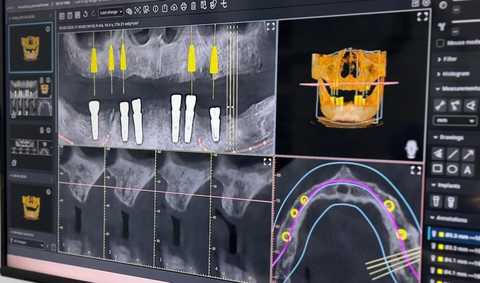
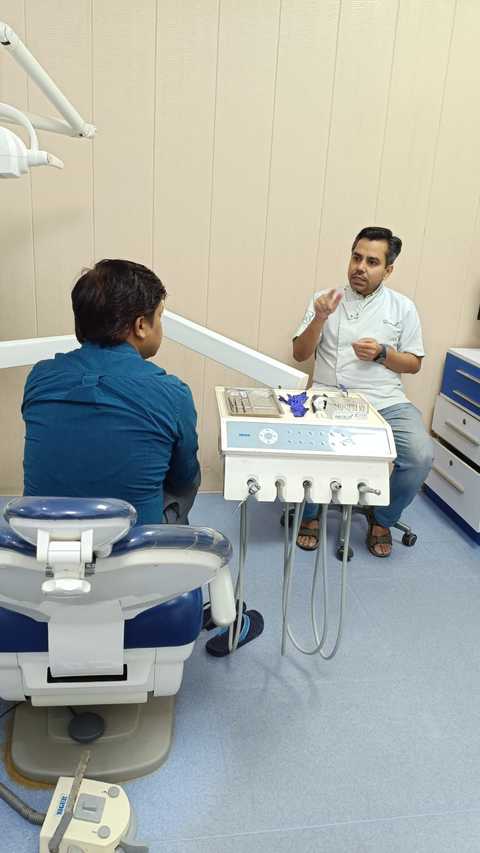
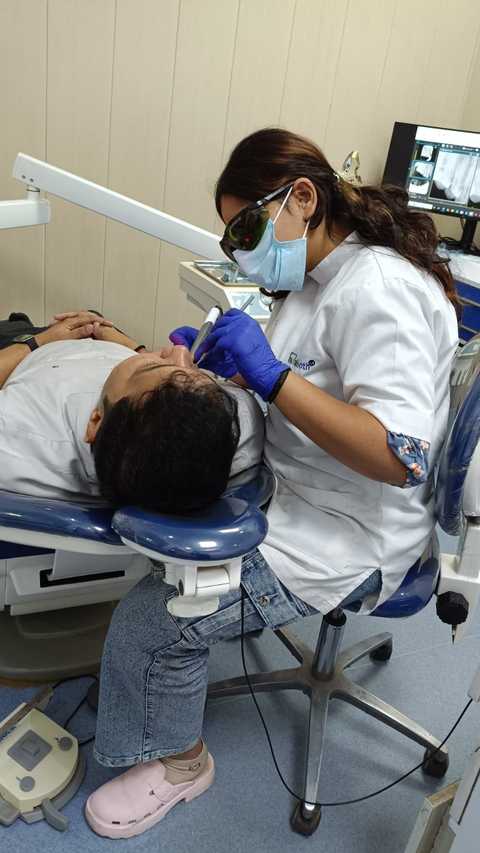
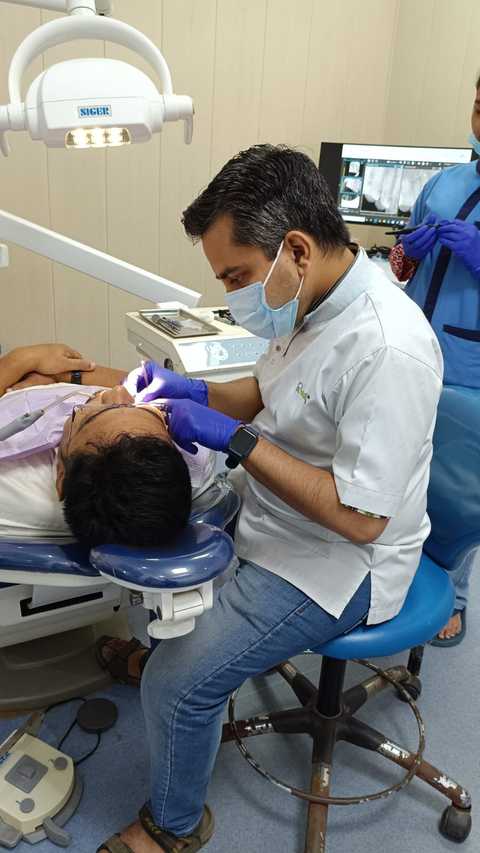
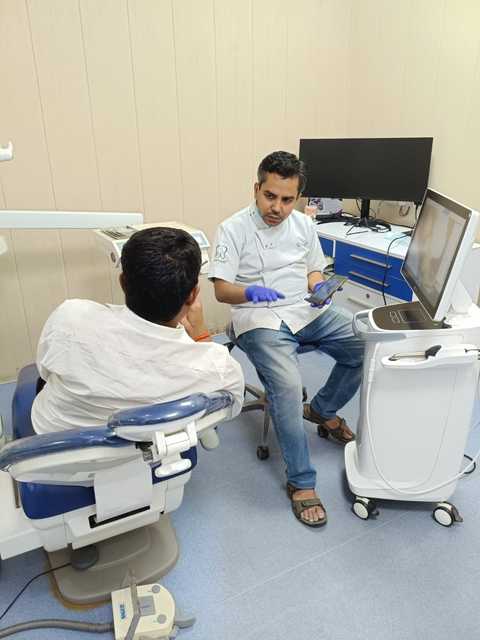
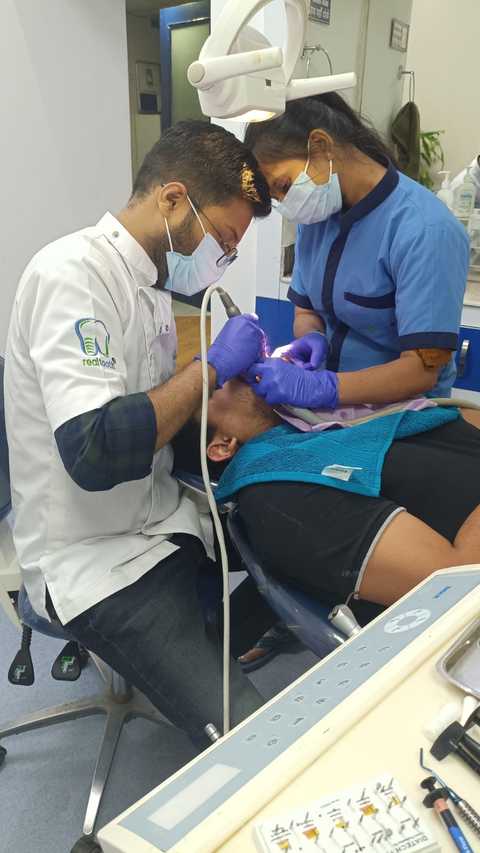
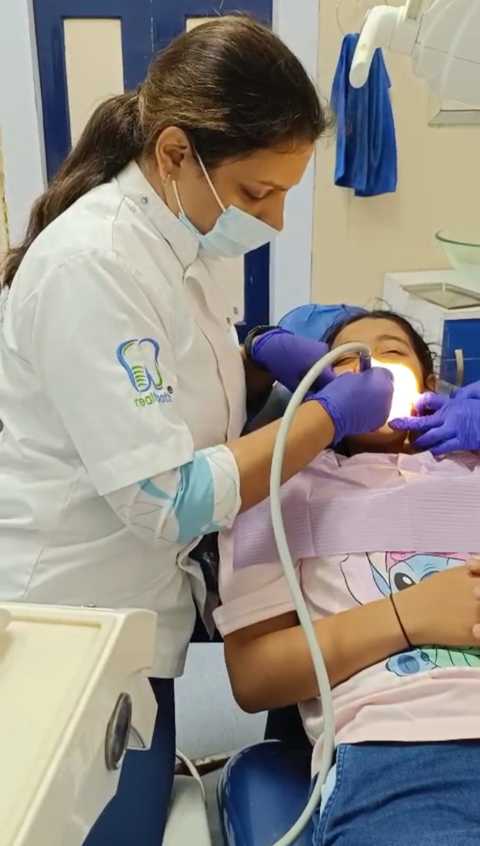
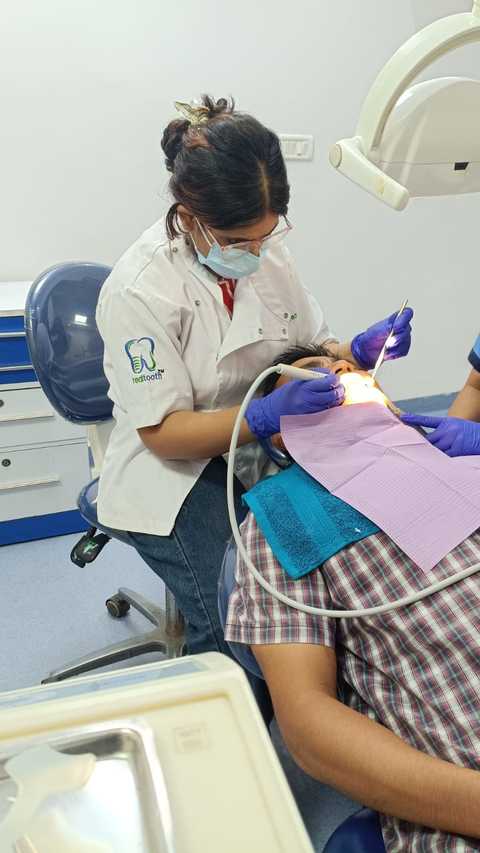
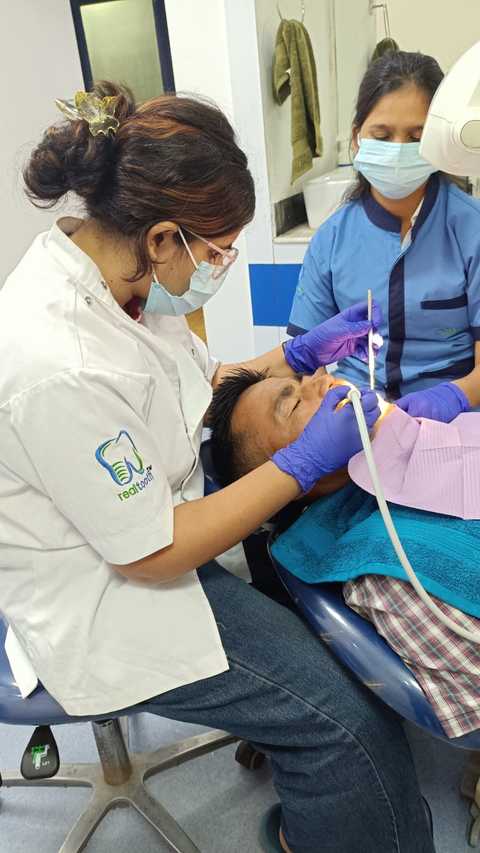
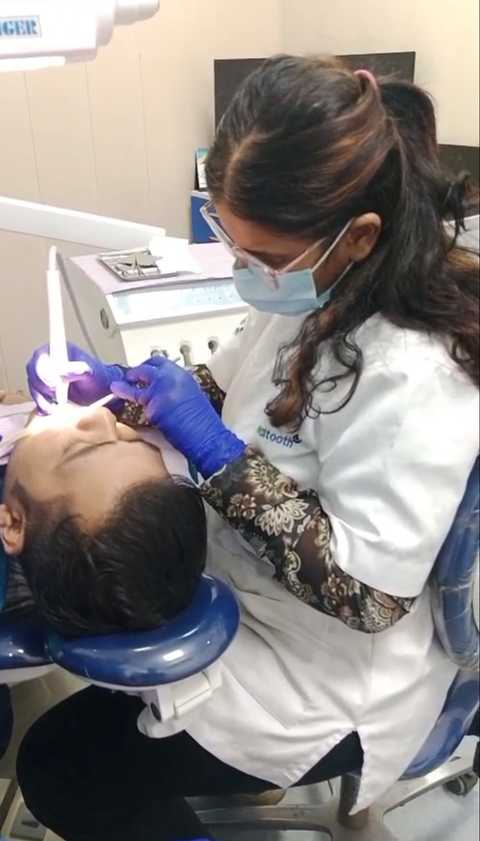
See examples of our Root Canal Treatment work and results.














What Our Clients Say
$$MultiPurposeText$$
Read testimonials from our satisfied customers

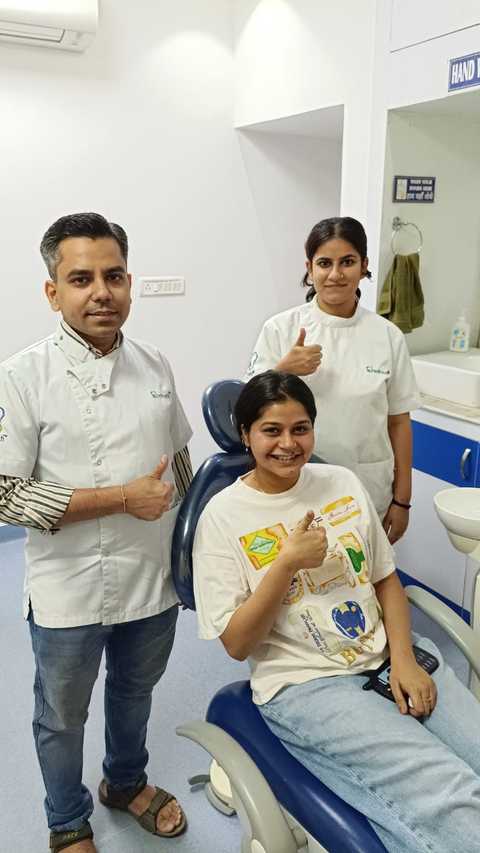
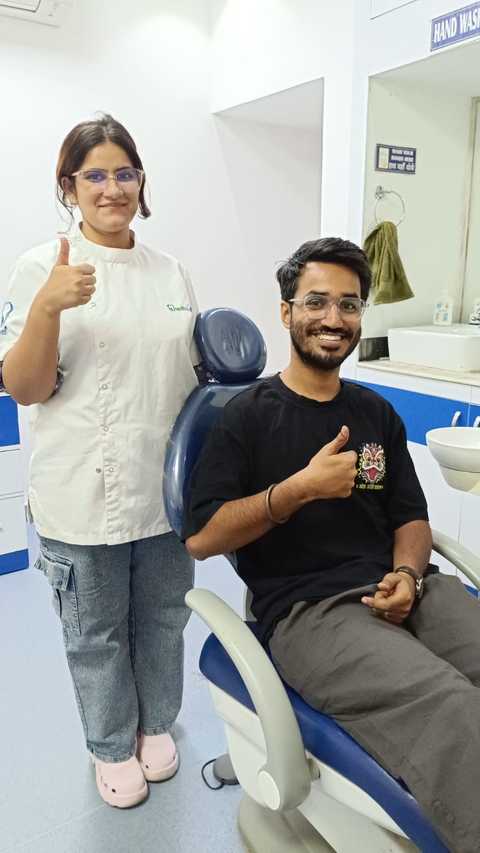
I had always been afraid of root canal treatment because of the stories I had heard, but m...more

never imagined that several damaged teeth could be treated so comfortably in a planned man...more

Ignoring dental problems for several years resulted in multiple teeth becoming infected, a...more

Watching my parents avoid certain foods because of missing teeth was difficult, so we deci...more

Both of my parents had been struggling with multiple missing teeth for years, making it di...more

A missing tooth had gradually started affecting both my chewing comfort and self-confidenc...more

Frequently Asked Questions
Get answers to common questions about Root Canal Treatment.
Symptoms include persistent toothache, sensitivity to hot or cold, swelling, and discoloration. A dentist will evaluate with X-rays and clinical tests to confirm infection of the pulp and recommend RCT to save the tooth and relieve pain.
With modern anesthesia, technology, and skilled dentists at Realtooth, most patients experience little to no pain during the procedure. Post-operative discomfort is usually mild and manageable with over-the-counter pain relief for a few days.
Treatment time varies by tooth complexity. Single-visit RCT is possible for many teeth, typically 60–90 minutes. More complex cases or molars may require two visits. Your dentist will estimate duration after examination and imaging.
Often yes. A crown protects and restores strength to a treated tooth, preventing fracture and ensuring long-term function, especially for back teeth or those with extensive decay or structural loss.
Complications are uncommon but can include persistent infection, instrument fracture, or incomplete sealing leading to retreatment. Choosing experienced clinicians, modern equipment, and thorough follow-up minimizes risks and improves success rates.
With accurate treatment, a good restoration such as a crown, and regular dental care, a root canal treated tooth can last many decades — often a lifetime. Success depends on oral hygiene and timely follow-up.